Description
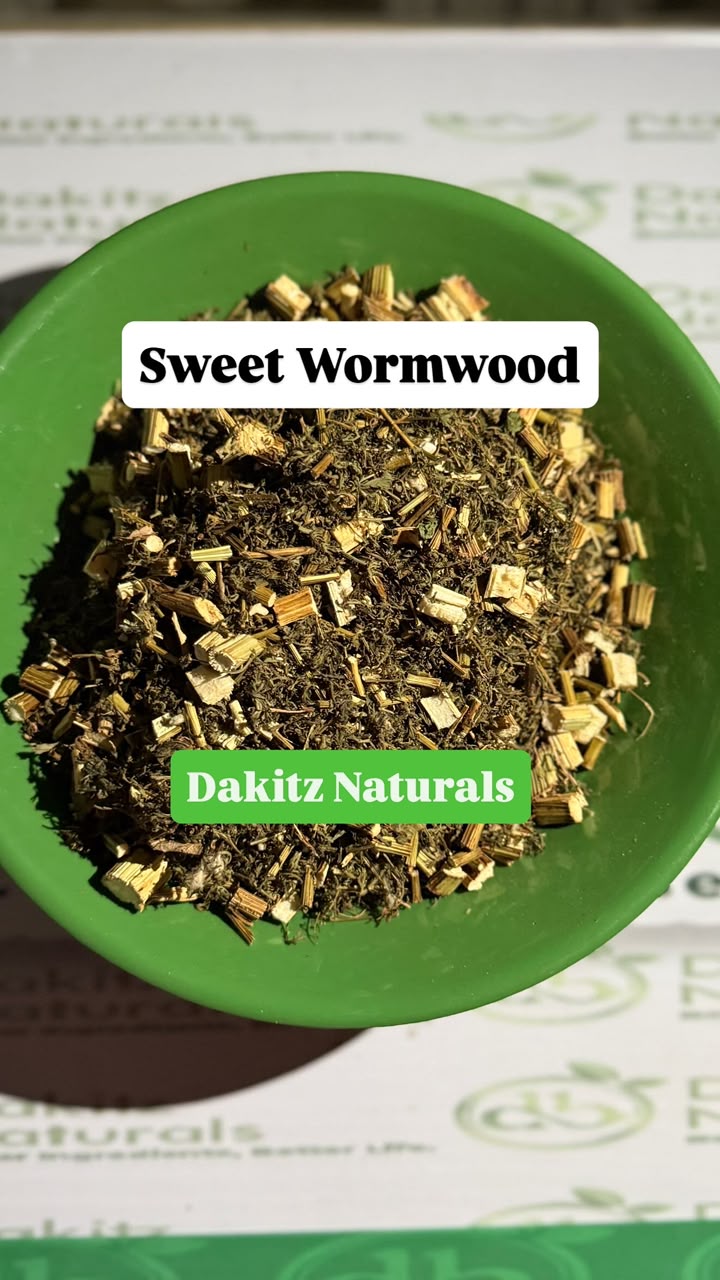
Sweet Wormwood (Artemisia annua)
Common name: Sweet Wormwood, Sweet Annie, Annual Wormwood, Qing Hao
Botanical name: Artemisia annua L.
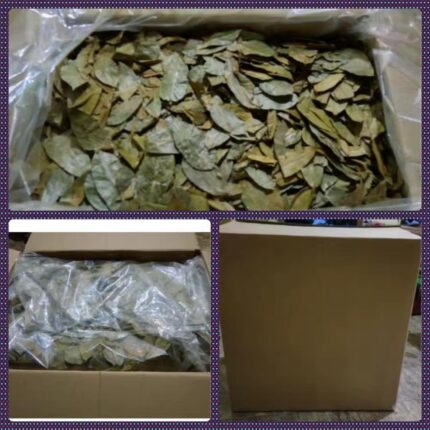
Plant part: Leaves
Origin: Native to temperate Asia, particularly China; cultivated in several regions worldwide
Category: Leaves
Product Overview
Sweet Wormwood (Artemisia annua L.) is an annual aromatic plant belonging to the Asteraceae family. Native to Asia, it has a distinctive fragrance and a long history of use in traditional Chinese medicine, where practitioners know it as Qing Hao. Additionally, researchers study this plant because it produces artemisinin, a naturally occurring sesquiterpene lactone used in the development of important antimalarial medicines.
However, artemisinin concentrations can vary considerably according to plant variety, growing conditions, maturity, and processing. Therefore, dried Sweet Wormwood leaves should not be considered equivalent to approved artemisinin-based medicines.
Nutritional Value
Sweet Wormwood is primarily valued as a medicinal botanical rather than a conventional food ingredient.
Its leaves contain naturally occurring plant compounds, including terpenoids, flavonoids, phenolic compounds, and other secondary metabolites. Artemisinin is among the most widely studied constituents of Artemisia annua.
The plant’s chemical profile varies according to environmental conditions, genetic characteristics, harvesting practices, and post-harvest processing. A standard nutritional profile may not be available for dried medicinal-grade leaves.
The presence of these compounds does not establish that the leaves can prevent or treat a particular health condition.
Composition
Sweet Wormwood leaves contain several classes of naturally occurring phytochemicals, including:
- Artemisinin: A naturally occurring sesquiterpene lactone that has been extensively studied and used as the basis for medicines employed in malaria treatment.
- Flavonoids: Plant-derived compounds that contribute to the leaves’ phytochemical profile.
- Terpenoids: A broad group of naturally occurring compounds associated with the plant’s aromatic and chemical characteristics.
- Phenolic compounds: Plant constituents investigated in phytochemical research.
- Essential oil constituents: Volatile compounds that contribute to the plant’s characteristic aroma.
- Other secondary metabolites: Additional plant compounds whose identities and concentrations depend on the variety and growing conditions.
Plant genetics, growing conditions, harvest maturity, drying methods, and storage all influence the leaves’ chemical composition.
Benefits
Sweet Wormwood is valued for its traditional history and its importance in botanical and pharmaceutical research.
- Traditional Chinese medicine practitioners have historically used Sweet Wormwood in preparations associated with fever management.
-
Researchers also study the plant because it produces artemisinin, a naturally occurring sesquiterpene lactone.
- Phytochemical research: Contains naturally occurring plant compounds investigated for their chemical and biological properties.
- Botanical research: Provides plant material for studying the chemistry, cultivation, and characteristics of the Artemisia genus.
- Traditional botanical preparations: Have a history of use in traditional herbal systems.
Important: Dried Sweet Wormwood leaves should not be promoted as a treatment or prevention for malaria. The World Health Organization does not recommend Artemisia plant material, including teas and other non-pharmaceutical preparations, for malaria prevention or treatment. Artemisinin-based combination therapies (ACTs) are recommended for treating uncomplicated Plasmodium falciparum malaria.
Traditional use and laboratory findings should not be interpreted as proof that the dried leaves provide established clinical benefits.
Uses
Sweet Wormwood leaves serve as botanical material in traditional herbal contexts and scientific research. Researchers use this plant to investigate artemisinin production, phytochemical composition, and cultivation methods. In addition, suppliers may provide the dried leaves for botanical identification, reference collections, and raw-material assessment.
Common applications include:
Botanical identification and reference collections.
- Phytochemical and natural-products research.
- Research into artemisinin-producing plants.
- Botanical raw-material sourcing.
- Traditional herbal preparations, subject to applicable safety requirements.
- Research into plant cultivation, harvesting and processing.
- Botanical ingredient documentation and quality assessment.
The suitability of the leaves for a particular application depends on their botanical identity, quality, intended use and relevant safety requirements.
Precautions
Sweet Wormwood should be handled and used with appropriate care, particularly when considering ingestion or concentrated preparations.
- Confirm that the plant material is correctly identified as Artemisia annua L.
- Obtain supplier information regarding the origin, harvesting, processing, and quality of the leaves.
- Do not use dried Sweet Wormwood leaves, teas, or extracts as a substitute for approved antimalarial medicines.
- Anyone experiencing symptoms suggestive of malaria should seek prompt medical assessment and appropriate testing.
- Pregnant or breastfeeding individuals should consult a qualified healthcare professional before considering medicinal preparations.
- Individuals taking prescription medications or managing existing medical conditions should seek professional advice before medicinal use.
- Concentrated extracts and essential oils should not be assumed to have the same safety profile as the dried plant.
Sweet Wormwood should not replace prescribed medication or professional medical care.
- Keep in a cool, dry place away from moisture, sunlight, and heat
- Store in an airtight container to prevent oxidation and loss of potency
Packaging
Our roots are packaged in Ziploc bags to avoid spillage.
Shelf Life:
• Up to 2 years when stored properly in sealed packaging
• Best potency when consumed within 12–24 months
Note:
No artificial colors, flavors, or preservatives. Product is a natural botanical ingredient; color may vary depending on harvest lot and year.
Disclaimer:
This product is a natural food supplement and not evaluated by the Food and Drug Administration (FDA). It is intended for educational purposes only and is not intended to diagnose, treat, cure, or prevent any disease.
Consult a healthcare professional before use if you have allergies or medical conditions
By purchasing, you acknowledge responsibility for safe and appropriate use.
Explore Sweet Wormwood leaves from Dakitz Naturals for botanical ingredient sourcing. Review the product specifications and quality information to determine their suitability for your intended application.












Reviews
There are no reviews yet.