Description
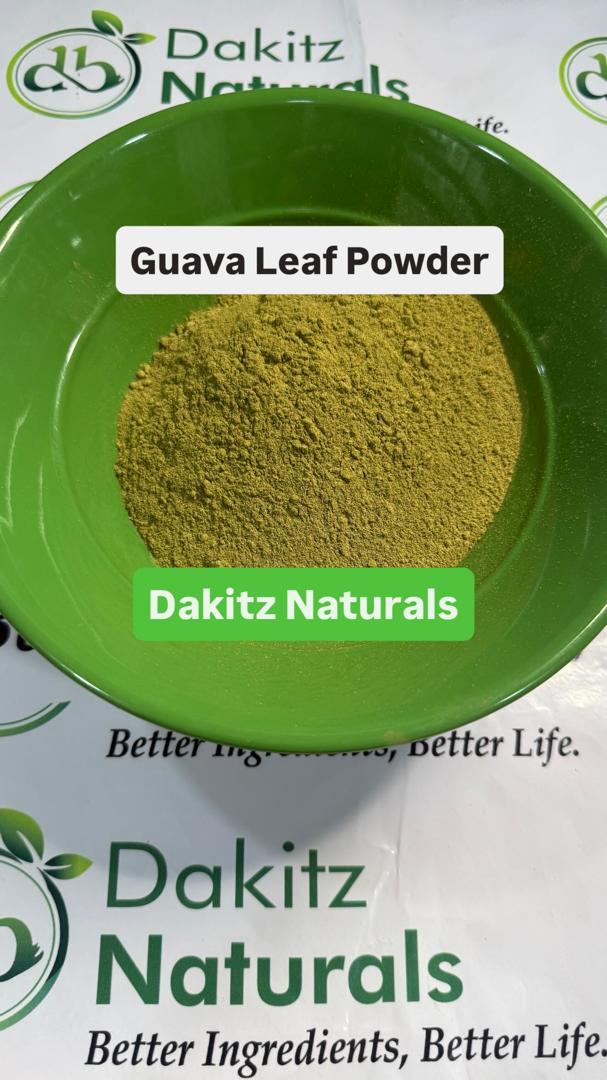
Guava Leaf Powder (Psidium guajava)
Common name: Guava Leaf Powder, Guava Leaves Powder, Psidium Leaf Powder, Common Guava
Botanical name: Psidium guajava L.
Plant family: Myrtaceae (myrtle family)
Plant part: Leaf
Origin: Native to Central and South America and the Caribbean, and now grown across tropical and subtropical regions, including Africa and Asia
Product Overview
Most people know the guava tree for its fruit, but its leaves have a long place in traditional herbal practice. Guava (Psidium guajava) is a small evergreen tree in the myrtle family that is native to Central and South America and the Caribbean, and today it grows widely across the tropics. In many regions, families have used the fresh and dried leaves in teas and home remedies for generations.
Our Guava Leaf Powder comes from carefully dried, finely ground guava leaves. The powder is green to olive-brown, with a mild, earthy, slightly astringent taste that resembles other leaf teas. If you already enjoy herbal leaf teas such as Linden Leaf Powder or Damiana Leaf Powder, you will find the flavor familiar. Because the powder is fine, it mixes into hot water, smoothies, and baking without any cutting or crushing.
Guava leaves are valued mainly for their plant compounds. Researchers have found that they contain a wide range of polyphenols, including quercetin (the most abundant flavonoid), chlorogenic acid, rutin, and phenolic acids such as gallic, caffeic, and ferulic acid. Analyses also show that the leaves provide vitamin C and minerals such as potassium and calcium. In addition, the leaves offer these nutrients without the sugar of the fruit.
You can enjoy the powder in several ways. Stir a small amount into warm water for a simple herbal tea, blend it into a fruit smoothie alongside Goji Berry Fruit Powder, or mix it with other leaf powders in your own tea blend. If you like bitter and earthy herbal drinks, you may also enjoy it with Dried Chicory Root Powder for a caffeine-free warm drink. Start with a small amount, see how your body responds, and increase gradually.
Nutritional value:
Guava leaf is valued as an herbal botanical, not for calories or macronutrients. It provides small amounts of vitamin C, potassium, and calcium, along with dietary fiber and a rich range of polyphenols. The exact amounts vary with the age of the leaf, where it grows, and how it is dried.
Composition:
Contains naturally occurring flavonoids (including quercetin, rutin and guaijaverin), phenolic acids (including chlorogenic, gallic, caffeic and ferulic acid), tannins, triterpenoids, essential oil components, vitamin C and minerals (including potassium and calcium). Together, these give the leaf its characteristic flavor and antioxidant profile.
Benefits:
- Traditionally used in tropical herbal practice as a leaf tea for general wellness
- Traditionally valued for supporting digestive comfort
- Rich in polyphenols, including quercetin and chlorogenic acid, which act as plant antioxidants
- Provides small amounts of vitamin C and minerals such as potassium and calcium
- Offers a caffeine-free herbal drink option
- Fits easily into daily tea, smoothie, and wellness routines
- Valued as a heritage leaf in the herbal traditions of many tropical countries
Uses:
- Stir it into warm (not boiling) water for a simple herbal tea
- Blend it into smoothies, juice, and shakes
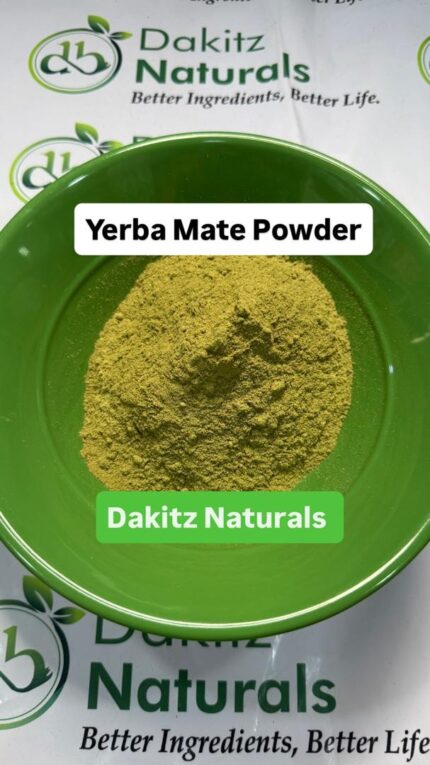
- Mix it with other leaf powders to make a custom herbal tea blend, such as Yerba Mate Powder for a caffeinated mix
- Add it to oatmeal, baking, and homemade energy bites
- Take it in capsules as part of a daily wellness routine
Precautions:
- Use it according to the recommended serving size, and start with a small amount.
- If you have diabetes or take blood-sugar medication, check with a healthcare professional first.
- Pregnant or breastfeeding individuals should check with a healthcare professional before use.
- Stop use if you notice stomach upset, dizziness, or an allergic reaction.
Storage:
- Keep it in a cool, dry place away from moisture, sunlight, and heat
- Store it in an airtight container to preserve aroma and freshness
Packaging
Our powders are packaged in Ziploc bags to avoid spillage.
Shelf Life:
• Up to 2 years when stored properly in sealed packaging
• Best potency when consumed within 12–24 months
Note:
No artificial colors, flavors, or preservatives. Product is a natural botanical ingredient; color may vary depending on harvest lot and year.
Disclaimer:
This product is a natural food supplement and not evaluated by the Food and Drug Administration (FDA). It is intended for educational purposes only and is not intended to diagnose, treat, cure, or prevent any disease.
Consult a healthcare professional before use if you have allergies or medical conditions
By purchasing, you acknowledge responsibility for safe and appropriate use.
Frequently Asked Questions
What is guava leaf powder?
It is the dried, finely ground leaf of the guava tree (Psidium guajava). People use it to make herbal tea and to add plant antioxidants to drinks and recipes.
What does guava leaf powder taste like?
It has a mild, earthy, and slightly astringent taste, similar to other leaf teas. A little honey or lemon softens it.
How do I use guava leaf powder?
Stir it into warm water, blend it into smoothies, or mix it with other herbal powders. Because the powder does not dissolve completely, stir or shake it well.
Is guava leaf powder the same as guava fruit powder?
No. The leaf is an herbal botanical rich in polyphenols, while the fruit is a sweet, vitamin C-rich food. They are different products with different uses.
Does guava leaf contain caffeine?
No. Guava leaf is naturally caffeine-free.









Reviews
There are no reviews yet.