

Description
Dried Houttuynia Cordata – Fish Mint / Heartleaf
Common name: Houttuynia, Fish Mint, Fish Leaf, Heartleaf, Chameleon Plant, Yu Xing Cao
Botanical name: Houttuynia cordata Thunb.
Plant part: Whole herb / aerial parts
Family: Saururaceae
Origin: East and Southeast Asia, including China, Japan, Korea, India, Vietnam, Thailand and neighbouring regions
Description:
Houttuynia cordata is a perennial, rhizomatous herb widely distributed throughout East and Southeast Asia. It has a long history of traditional use in Chinese and other Asian herbal practices and is also consumed as a traditional edible plant in several Asian cuisines. The plant is commonly recognised by its distinctive heart-shaped leaves and characteristic aromatic odour, which is often described as pungent, fish-like or herbaceous.
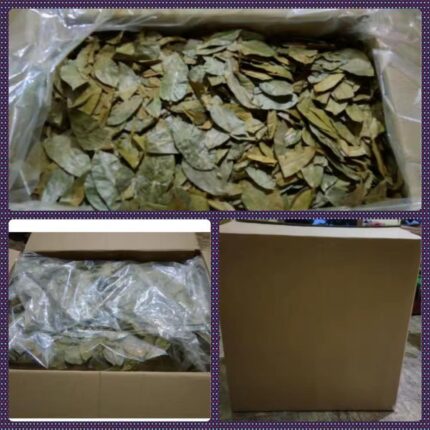
Dried Houttuynia Cordata consists of carefully harvested and dried plant material, commonly including the leaves and stems, which are the parts traditionally used in many herbal preparations. Depending on the drying method and plant material, the dried herb may range from greenish-brown to brown in colour and retains a characteristic botanical aroma.
Houttuynia cordata is particularly valued in traditional herbal practice for its broad range of naturally occurring plant compounds. It is commonly prepared as an infusion or decoction and may also be incorporated into herbal blends, extracts and other traditional preparations. The plant is considered both a traditional medicinal herb and a food plant in parts of Asia.
Nutritional Value:
Houttuynia Cordata naturally contains dietary plant compounds and various phytochemicals. Its nutritional and phytochemical profile can vary according to the plant part, geographical origin, growing conditions, harvesting stage and processing method.
The plant contains naturally occurring flavonoids, phenolic compounds, volatile oils, polysaccharides and other botanical constituents.
Composition:
Houttuynia cordata contains a diverse range of naturally occurring phytochemicals, including:
* Flavonoids such as quercetin, rutin, quercitrin, hyperoside and kaempferol
* Phenolic acids including chlorogenic acid, caffeic acid, vanillic acid and related compounds
* Volatile/essential oils
* Polysaccharides
* Alkaloids
* Organic acids
* Naturally occurring terpenoid and other aromatic compounds
One of the characteristic volatile constituents associated with the plant is houttuynin (decanoyl acetaldehyde), which contributes to its distinctive odour. The composition of the essential oil can change considerably depending on the plant part, geographic origin and processing.
Traditional Benefits:
* Traditionally used to support general wellness
* Provides naturally occurring flavonoids and phenolic compounds
* Traditionally valued for its antioxidant properties
* Traditionally used to support a healthy inflammatory response
* Traditionally used in Asian herbal practices for respiratory and seasonal wellness
* Traditionally valued for supporting general immune wellness
* Used traditionally to support digestive and gastrointestinal wellness
* Traditionally used as part of herbal practices supporting urinary wellness
* Commonly incorporated into traditional Chinese and East Asian herbal formulations
* Used as both a traditional edible herb and botanical ingredient
Research has investigated antioxidant, antimicrobial, anti-inflammatory and other biological activities of Houttuynia cordata, but these findings should not be presented as proof that the dried herb treats or cures specific diseases.
Uses:
* Prepared as herbal tea or infusion
* Prepared traditionally as a decoction
* Used in traditional Chinese and East Asian herbal preparations
* Combined with other herbs in traditional wellness blends
* Used as a botanical ingredient for herbal extracts
* Used as a traditional edible herb in selected Asian cuisines
* Can be incorporated into selected cosmetic and botanical preparations
* Used as a source material for further processing into powders and extracts
Precautions:
* Use in moderation and according to appropriate traditional or professional guidance.
* Houttuynia cordata has a strong characteristic aroma and flavour that may not be suitable for everyone.
* Individuals with known sensitivity or allergy to Houttuynia cordata should avoid use.
* Pregnant or breastfeeding individuals should consult a qualified healthcare professional before using concentrated herbal preparations.
* Individuals taking prescription medications or managing an existing medical condition should consult a healthcare professional before regular internal use.
Packaging:
Our herbs are packaged in ziplock bags to avoid spillage.
Storage:
• Keep in a cool, dry place away from moisture, sunlight, and heat
• Store in an airtight container to prevent oxidation and loss of potency
Shelf Life:
• Up to 2 years when stored properly in sealed packaging
• Best potency when consumed within 12–24 months
Note:
No artificial colors, flavors, or preservatives. Product is a natural botanical ingredient; color may vary depending on harvest lot and year.
Disclaimer:
This product is a natural food supplement and not evaluated by the Food and Drug Administration (FDA). It is intended for educational purposes only and is not intended to diagnose, treat, cure, or prevent any disease.
Consult a healthcare professional before use if you have allergies or medical conditions
By purchasing, you acknowledge responsibility for safe and appropriate use.









Reviews
There are no reviews yet.