Description
Cabinda Bark (Pausinystalia macroceras)
Common name: Cabinda Bark, African Yohimbe, Yohimbe Bark
Botanical name: Pausinystalia macroceras (K.Schum.) Pierre ex Beille
Plant part: Bark
Origin: Tropical West and Central Africa; confirm the specific country of origin with the supplier
Category: Bark
Product Overview
Cabinda Bark (Pausinystalia macroceras) is a botanical material obtained from a tropical African tree belonging to the Rubiaceae family. The bark is associated with traditional plant use in parts of Africa and is of interest as a source of naturally occurring alkaloids and other phytochemicals.
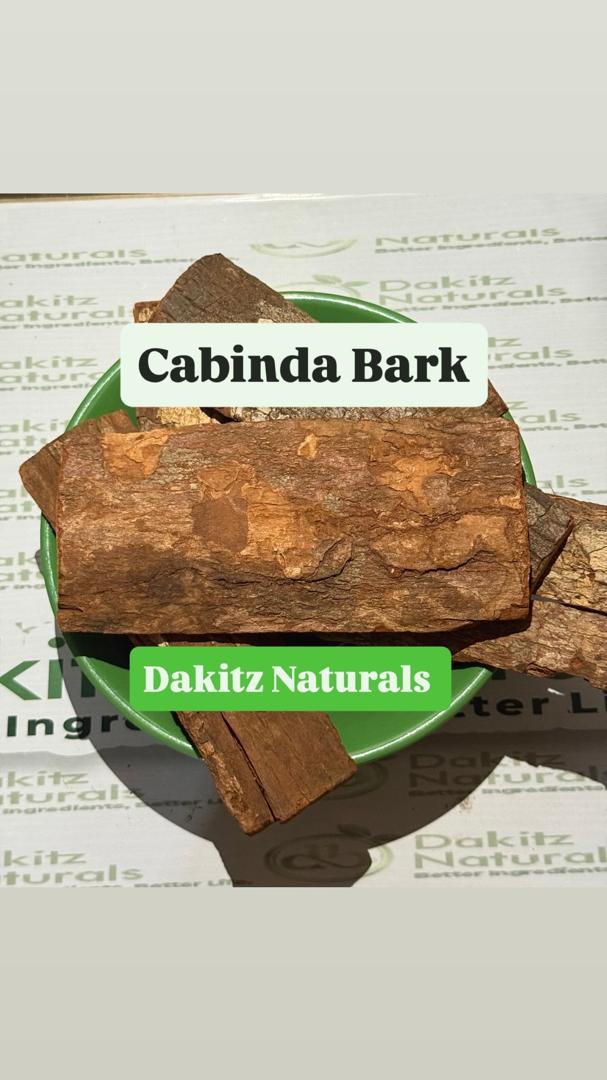
The dried bark typically consists of woody pieces or strips, with a brown to reddish-brown exterior and a fibrous internal texture. Its appearance may vary depending on the age of the bark, harvesting practices, processing methods, and storage conditions.
The botanical identity of Cabinda Bark is particularly important because common names such as Yohimbe and African Yohimbe may be applied inconsistently to different plant materials. Pausinystalia macroceras should therefore be distinguished from Pausinystalia johimbe and other related botanical species when sourcing and documenting the product.
The bark’s chemical composition depends on the plant species and the quality of the harvested material. Reliable botanical identification and appropriate quality control are essential when handling this ingredient.
Nutritional Value
Cabinda Bark is primarily valued as a botanical raw material rather than a conventional food ingredient. Its significance lies in its naturally occurring phytochemicals rather than its nutritional contribution to the diet.
The bark may contain alkaloids and other plant-derived compounds, although the identity and concentration of individual constituents must be established through appropriate botanical and analytical testing.
Unlike conventional food ingredients, dried bark is not generally characterised by a standard nutritional profile. Its composition may vary according to species identification, geographical origin, growing conditions, harvesting, processing, and storage.
The presence of bioactive plant compounds does not establish that the bark is safe for consumption or effective for treating a health condition.
Composition
The chemical composition of Cabinda Bark depends on the confirmed botanical identity and the characteristics of the source material.
Potential constituents of interest in research on related African botanical species include:
- Alkaloids: Nitrogen-containing plant compounds that may contribute to the pharmacological properties of certain species in the genus.
- Other secondary metabolites: Plant-derived compounds that contribute to the bark’s overall chemical profile.
- Structural plant materials: Naturally occurring cellulose, lignin, and other components associated with woody bark tissues.
Important: Yohimbine is associated particularly with Pausinystalia johimbe. Its presence or concentration in material identified as Pausinystalia macroceras should not be assumed without species-specific analytical evidence.
The exact composition of the product should be established through appropriate testing and supplier documentation.
Benefits
Cabinda Bark is of interest as a botanical ingredient because of its traditional context and potential phytochemical significance.
- Traditional botanical use: Associated with traditional plant practices in parts of tropical Africa.
- Phytochemical interest: The bark provides plant material for investigating naturally occurring secondary metabolites.
- Botanical research: May be of interest in taxonomic, phytochemical, and natural-products research when its identity is properly established.
- Botanical ingredient sourcing: Can be documented as a plant-derived raw material for suitable research or formulation applications, subject to applicable safety and regulatory requirements.
Claims concerning sexual performance, testosterone, energy, circulation, weight management, or the treatment of medical conditions should not be attributed to Pausinystalia macroceras without reliable, species-specific evidence.
Uses
Cabinda Bark may be encountered in traditional botanical trade and as a raw material for botanical identification and research.
Potential applications, subject to verified identity, quality, and regulatory suitability, include:
- Botanical reference and identification work.
- Phytochemical research.
- Natural-products research.
- Botanical raw-material documentation.
- Research into the chemical constituents of African plant species.
Its suitability for herbal preparations or other commercial applications must be assessed on the basis of verified botanical identity, safety data, and applicable regulations.
Precautions
Cabinda Bark requires careful handling because its botanical identity and chemical composition must be established before its suitability for a particular application can be determined.
- Verify the scientific identity of the bark before use.
- Obtain supplier documentation identifying the species and country of origin.
- Request appropriate quality-control documentation and analytical results where available.
- Do not assume that Pausinystalia macroceras has the same chemical composition or safety profile as Pausinystalia johimbe.
- Do not consume the bark or use concentrated preparations medicinally without qualified professional guidance and reliable safety information.
- Individuals taking prescription medications or managing existing medical conditions should seek advice from a qualified healthcare professional before considering medicinal use.
- Store the material in a cool, dry place away from moisture and contamination.
Cabinda Bark should not replace prescribed medication or professional medical care.
Storage:
- Keep in a cool, dry place away from moisture, sunlight, and heat
- Store in an airtight container to prevent oxidation and loss of potency
Packaging
Our roots are packaged in Ziploc bags to avoid spillage.
Shelf Life:
• Up to 2 years when stored properly in sealed packaging
• Best potency when consumed within 12–24 months
Note:
No artificial colors, flavors, or preservatives. Product is a natural botanical ingredient; color may vary depending on harvest lot and year.
Disclaimer:
This product is a natural food supplement and not evaluated by the Food and Drug Administration (FDA). It is intended for educational purposes only and is not intended to diagnose, treat, cure, or prevent any disease.
Consult a healthcare professional before use if you have allergies or medical conditions
By purchasing, you acknowledge responsibility for safe and appropriate use.
Explore Cabinda Bark from Dakitz Naturals for botanical ingredient sourcing. Review the product specifications, available documentation, and safety considerations to determine its suitability for the intended application.












Reviews
There are no reviews yet.