Description
Birch Bark Powder (Betula pendula)
Common name: Birch Bark Powder, Silver Birch Bark Powder, White Birch Bark Powder, Betula Bark Powder
Botanical name: Betula pendula Roth (also written Betula alba or B. verrucosa in older sources)
Plant family: Betulaceae (birch family)
Plant part: Bark
Origin: Europe and northern Asia, with related birches growing across the Northern Hemisphere
Product Overview:
Few trees are as easy to spot as the silver birch, with its bright white, papery bark that peels away in thin layers. People across northern Europe and Asia have used birch bark for thousands of years, for everything from baskets and containers to traditional herbal remedies. The bark has been part of folk herbal practice in these regions for generations, usually in the form of a simmered tea or decoction.
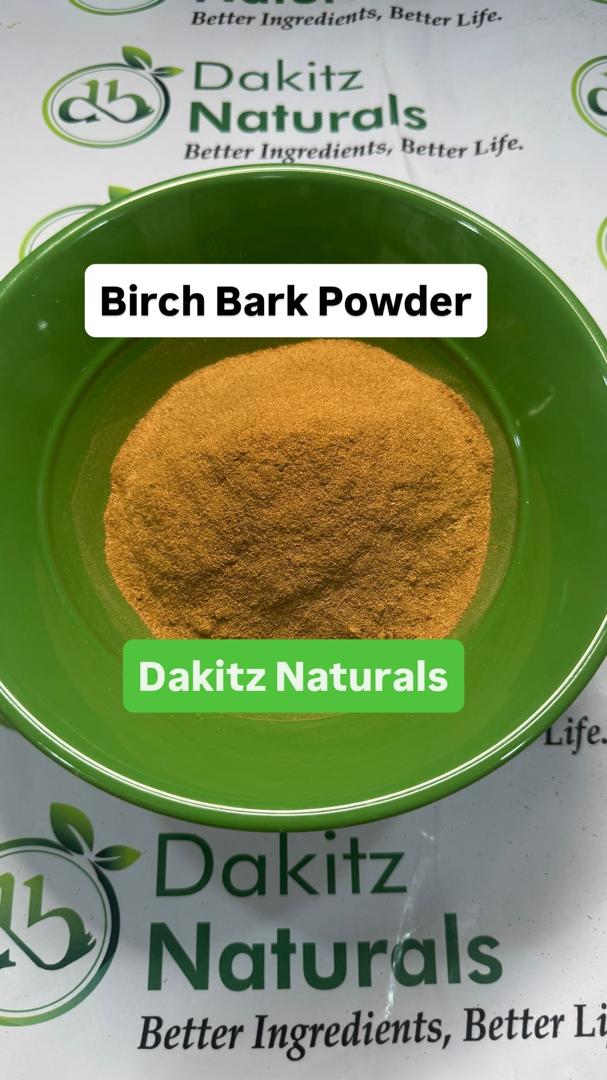
Our Birch Bark Powder comes from carefully dried, finely ground birch bark. The powder is pale cream to light tan to pale brown, reddish or tan-brown, with a mild, woody, slightly bitter and astringent taste and a faint resinous aroma. Because it is milled fine, you can measure it easily and blend it into warm drinks and herbal mixes.
The white color of birch bark comes from a natural compound called betulin. Betulin belongs to a group of plant compounds called triterpenoids, and it can make up a large share of the outer bark, with some analyses reporting 10 to 30 percent or more of its dry weight. The bark also contains related compounds such as betulinic acid and lupeol, along with tannins and other plant constituents.
In traditional herbal practice, people have used birch bark in decoctions for general wellness, and some traditions have also used it for joint comfort and for the skin.
You can use the powder in a simple warm drink, or you can add it to your own herbal mixes. If you are interested in birch, you may also like our Birch Leaf Powder, which comes from the same tree but has a different traditional use and a gentler taste. Bark-based herbs such as Cascara Sagrada Powder have their own uses and precautions, so read each product page. For root-based herbal teas, you can also explore Hydrangea Root Powder. Start with a small amount and increase gradually.
Nutritional value:
Birch bark is valued as an herbal botanical, not for calories or macronutrients. It provides plant compounds, tannins, and a small amount of fiber, and it is not a source of vitamins or minerals in meaningful amounts. The exact make-up varies with the tree, the layer of bark, and how it is processed.
Composition:
Contains naturally occurring pentacyclic triterpenoids (including betulin, lupeol and betulinic acid), tannins, phenolic compounds, sterols and other plant constituents. The outer bark is especially rich in betulin.
Benefits:
- Traditionally used in northern European and Asian herbal practice as a bark decoction
- Rich in natural betulin and betulinic acid
- Contains antioxidant compounds
- Supports skin protection against oxidative stress
- Traditionally valued for general wellness and joint comfort
- Contains anti-inflammatory plant compoundd
- Traditionally used for wond-care preparations
- Provides betulin and related plant triterpenoids that give birch bark its signature white color
- Contains tannins and other naturally occurring plant compounds
- Blends easily into warm drinks and herbal mixes
- Valued as a heritage bark in the folk traditions of northern regions
- Supports skin soothing and skin conditioning formulations
- Comes from the same tree as birch leaf, so you can explore both traditions
Uses:
- Stir a small amount into warm water for a traditional herbal drink
- Simmer it gently as a traditional bark decoction
- Add it to herbal tea blends with milder herbs
- Take it in capsules as part of a short-term herbal routine
- Use it to make tinctures and extracts
Precautions:
- Use it in the recommended amount and for short periods, and do not use it continuously for long periods.
- Do not use it if you are allergic to birch, birch pollen, or birch sap.
- Pregnant or breastfeeding individuals should avoid it unless a healthcare professional advises otherwise.
- Do not give it to young children.
- Stop use if you notice stomach upset, nausea, a rash, or any allergic reaction.
Storage:
- Keep it in a cool, dry place away from moisture, sunlight, and heat
- Store it in an airtight container to preserve freshness
Packaging
Our powders are packaged in Ziploc bags to avoid spillage.
Shelf Life:
• Up to 2 years when stored properly in sealed packaging
• Best potency when consumed within 12–24 months
Note:
No artificial colors, flavors, or preservatives. Product is a natural botanical ingredient; color may vary depending on harvest lot and year.
Disclaimer:
This product is a natural food supplement and not evaluated by the Food and Drug Administration (FDA). It is intended for educational purposes only and is not intended to diagnose, treat, cure, or prevent any disease.
Consult a healthcare professional before use if you have allergies or medical conditions
By purchasing, you acknowledge responsibility for safe and appropriate use.
Frequently Asked Questions
What is birch bark powder?
It is the dried, finely ground bark of the birch tree (Betula pendula). People use it in warm drinks and traditional herbal blends.
What is the difference between birch bark and birch leaf?
They come from the same tree, but they are different products. The leaf is a gentle, traditional herbal tea, and the bark is richer in betulin and tannins and has a stronger, more astringent taste.
What does birch bark powder taste like?
It tastes woody, slightly bitter, and astringent. Honey, lemon, or milder herbs soften it.
Can I use birch bark every day?
Use it in small amounts and for short periods. Check with a healthcare professional first if you take medication or have a health condition.









Reviews
There are no reviews yet.