

Description
Shatavari Root (Asparagus racemosus)
Common name: Shatavari, Shatavar, Indian Asparagus, Wild Asparagus
Botanical name: Asparagus racemosus Willd.
Plant part: Root
Origin: India and other parts of South Asia
Category: Root
Product Overview
Shatavari (Asparagus racemosus Willd.) is a perennial climbing plant belonging to the Asparagaceae family. It is an established botanical in traditional Ayurvedic herbal practice, where its tuberous roots are the primary plant part harvested for herbal preparations.
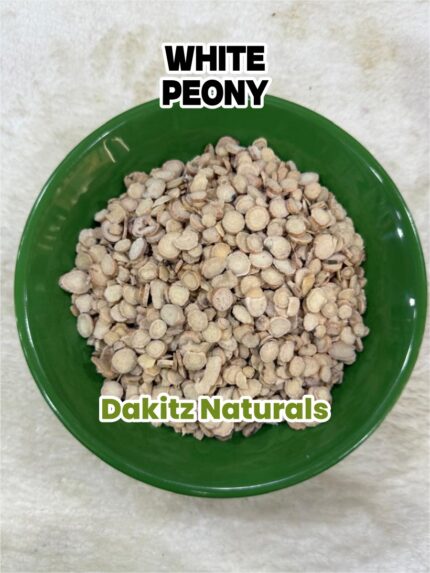
The dried Shatavari root is typically cream to pale brown in colour, with a firm, fibrous texture and a mild, slightly sweet, earthy taste. Depending on the preparation, the root may be processed into powder, used in decoctions, or incorporated into capsules, extracts, and traditional herbal formulations.
In Ayurveda, Shatavari has traditionally been regarded as a nourishing and restorative herb, particularly in women’s wellness preparations. It has also been used traditionally in formulations associated with vitality, digestive comfort, and general wellbeing.
The root contains naturally occurring steroidal saponins, including compounds known as shatavarins, which contribute to its characteristic phytochemical profile.
Nutritional Value
Shatavari is primarily valued as a traditional medicinal botanical rather than a conventional food. Its roots contain naturally occurring plant compounds, including steroidal saponins, flavonoids, phytosterols, and polysaccharides.
These constituents contribute to the botanical’s chemical profile and are of interest in phytochemical research. However, their presence does not establish that Shatavari can prevent or treat a particular health condition.
Composition
Shatavari root contains several classes of naturally occurring phytochemicals, including:
- Steroidal saponins: Including shatavarins, characteristic constituents associated with the root.
- Sapogenins: Plant-derived compounds associated with steroidal saponins.
- Flavonoids: Naturally occurring plant compounds.
- Phytosterols: Plant-derived sterol compounds.
- Polysaccharides: Complex carbohydrates found in plant material.
- Other phytochemicals: Additional constituents that contribute to the root’s overall chemical profile.
The exact composition may vary depending on the plant material, growing conditions, harvesting, processing, and storage.
Benefits
Shatavari is traditionally valued in Ayurvedic herbal practice for several applications, including:
- Women’s wellness: Traditionally included in herbal preparations intended to support women’s general well-being.
- Restorative preparations: Historically used as a nourishing botanical in traditional Ayurvedic formulations.
- Reproductive wellness: Traditionally incorporated into certain reproductive and menstrual wellness preparations.
- Digestive comfort: Used in traditional herbal preparations associated with digestive wellbeing.
- Plant compounds: Provides naturally occurring saponins, flavonoids, and other phytochemicals of interest in botanical research.
- General vitality: Traditionally used in formulations associated with strength, nourishment and overall wellbeing.
These traditional applications should not be interpreted as proof of clinical effectiveness. Claims relating to hormonal balance, fertility or the treatment of medical conditions require appropriate scientific evidence.
Uses
Shatavari root is used as a botanical ingredient in traditional Ayurvedic preparations and other herbal formulations. Common preparation formats include:
- Herbal decoctions and infusions.
- Powdered root preparations.
- Capsules and tablets produced by herbal manufacturers.
- Liquid and dry botanical extracts.
- Women’s wellness herbal blends.
- Combinations with other botanicals in traditional Ayurvedic formulations.
- Traditional restorative and vitality preparations.
The suitability of a particular preparation depends on its quality, intended application, and relevant safety requirements.
Precautions
Shatavari should be used with appropriate care, particularly when considering regular use or concentrated preparations.
- Follow appropriate product guidance and seek professional advice before medicinal use.
- Individuals with existing medical conditions should consult a qualified healthcare professional before regular use.
- People taking prescription medications should seek professional advice to assess potential interactions.
- Pregnant or breastfeeding individuals should consult a healthcare professional before using concentrated preparations.
- Individuals with known sensitivity to asparagus or related plants should exercise caution.
- Use properly identified, quality-controlled Asparagus racemosus root from a reliable supplier like Dakitz Naturals.
- Discontinue use and seek professional advice if unusual or persistent reactions occur.
Shatavari should not replace prescribed medication or professional medical care.
Storage:
- Keep in a cool, dry place away from moisture, sunlight, and heat
- Store in an airtight container to prevent oxidation and loss of potency
Packaging
Our roots are packaged in Ziploc bags to avoid spillage.
Shelf Life:
• Up to 2 years when stored properly in sealed packaging
• Best potency when consumed within 12–24 months
Note:
No artificial colors, flavors, or preservatives. Product is a natural botanical ingredient; color may vary depending on harvest lot and year.
Disclaimer:
This product is a natural food supplement and not evaluated by the Food and Drug Administration (FDA). It is intended for educational purposes only and is not intended to diagnose, treat, cure, or prevent any disease.
Consult a healthcare professional before use if you have allergies or medical conditions
By purchasing, you acknowledge responsibility for safe and appropriate use.
Explore Shatavari root from Dakitz Naturals for botanical ingredient sourcing. Review the product specifications and quality information to determine its suitability for your intended application.













Reviews
There are no reviews yet.