Description
Lauryl glucoside is a mild, non-ionic surfactant derived from natural, renewable resources like coconut oil and sugar. It is widely used in personal care products for its gentle cleansing and foaming properties, making it suitable for sensitive skin, baby products, and eco-friendly formulations. It is known for being biodegradable and is often used as a soap base in products like shampoos, body washes, and facial cleansers.
What it is
A mild surfactant: It functions as a soap to cleanse and create foam without being harsh on the skin.
Naturally derived: It is made from plants, typically coconut oil and sugar.
Biodegradable: It is environmentally friendly because it breaks down naturally.
Part of the alkyl polyglucoside (APG) family: This is a group of plant-based surfactants.
Where it’s used
Shampoos, Body washes, Facial cleansers, Baby products, Bubble baths, and Natural dish soaps.
Benefits and properties
Gentle: It is mild and suitable for sensitive skin types.
Effective lather: It creates a good “sudsing” action in products.
Eco-friendly: Derived from renewable resources and is readily biodegradable.
Stable: It is stable in both low and neutral pH formulations.
Soluble in water: It can be easily dissolved in water for use in liquid products.
What is LAURYL GLUCOSIDE used for?
Skin care: Lauryl glucoside can be used alongside other glucosides to enhance the foam and skin conditioning properties. It is very effective when used in ionic formulations to add foam depth and emulsifying properties. Lauryl glucoside is very useful for bath foams, shower gel to increase the foaming ability of the product.
Hair care: Lauryl glucoside creates an excellent and stable foam. Lauryl glucoside is useful in hair care products where it aids hair cleaning abilities without stripping the hair.
Origin
It is a glycoside produced from glucose and lauryl alcohol. It is made by combining corn sugar and either coconut oil or palm oil. It is derived through natural processes.
What does LAURYL GLUCOSIDE do in a formulation?
CLEANSING|EMULSIFYING|FOAM BOOSTING|SKIN CONDITIONING|SURFACTANT
LAURYL GLUCOSIDE alternatives
DECYL GLUCOSIDE|COCO-GLUCOSIDE
INGREDIENT INFORMATION
INCI: Lauryl Glucoside
CAS No: 110615-47-9
Percentage Purity: Cosmetic grade
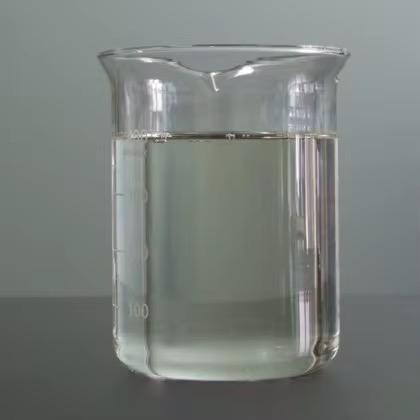
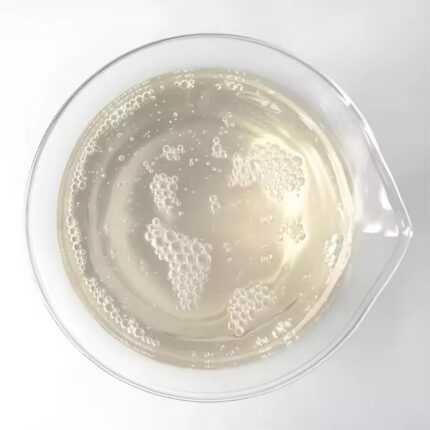
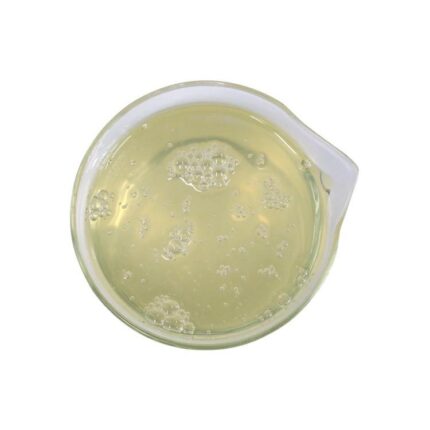
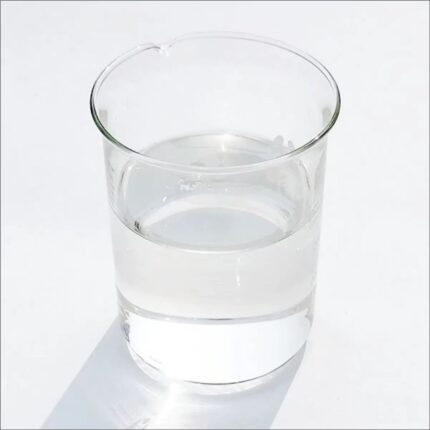
Appearance: Pale yellow to golden viscous liquid
Recommended Usage Rate: 2% – 20% (depending on formulation type)
Solubility: Water-soluble
Stable pH Range: 5.5 – 12
Heat Sensitivity: Stable under typical cosmetic processing conditions
MIXING METHOD
-
Add to the water phase or blend with other surfactants
-
Mix gently to avoid excessive foam
-
Suitable for liquid cleansers, gels, and mild surfactant systems
Safety Profile
Lauryl glucoside is considered quite safe for skin as it is a very mild surfactant, that poses little or no risk of irritation, and therefore used for sensitive skin. A number of agencies such as the Safe Cosmetics Database, GoodGuide database, EcoCert and the Organic Food Federation consider lauryl glucoside as a safe ingredient. It is even included in the CIR list of safe ingredients for cosmetics. 10 to 20% lauryl glucoside can be used in facial cleansers while 15 to 30% in shampoos and body washes. A maximum of 40% of lauryl glucoside is permitted for use in any product.
PACKAGING
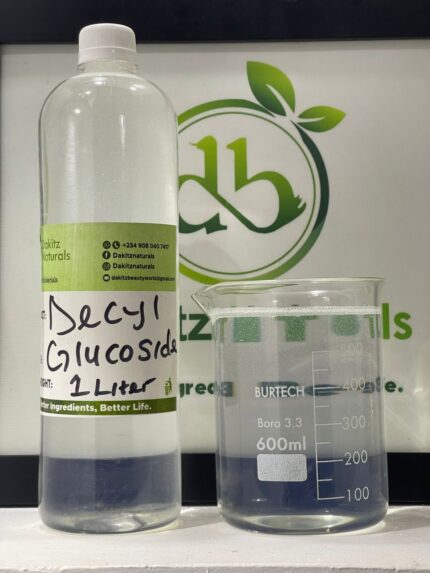
Our surfactant liquids are packaged in airtight bottles to maintain quality and prevent contamination.
RECOMMENDED STORAGE
Store in a cool, dry place, away from direct sunlight and moisture.
(Current lot will expire October 2029)
DISCLAIMER
DAKITZ NATURAL PRODUCTS are for cosmetic and personal care formulations and are for external use only, unless otherwise stated.
This information is not intended to diagnose, treat, cure, or prevent any condition.
Ingredient usage must follow your region’s cosmetic regulations.
Please research, test, and understand ingredients before purchasing.
If you are not advanced in formulating, please work with a professional chemist or certified formulator.









Reviews
There are no reviews yet.