
Description
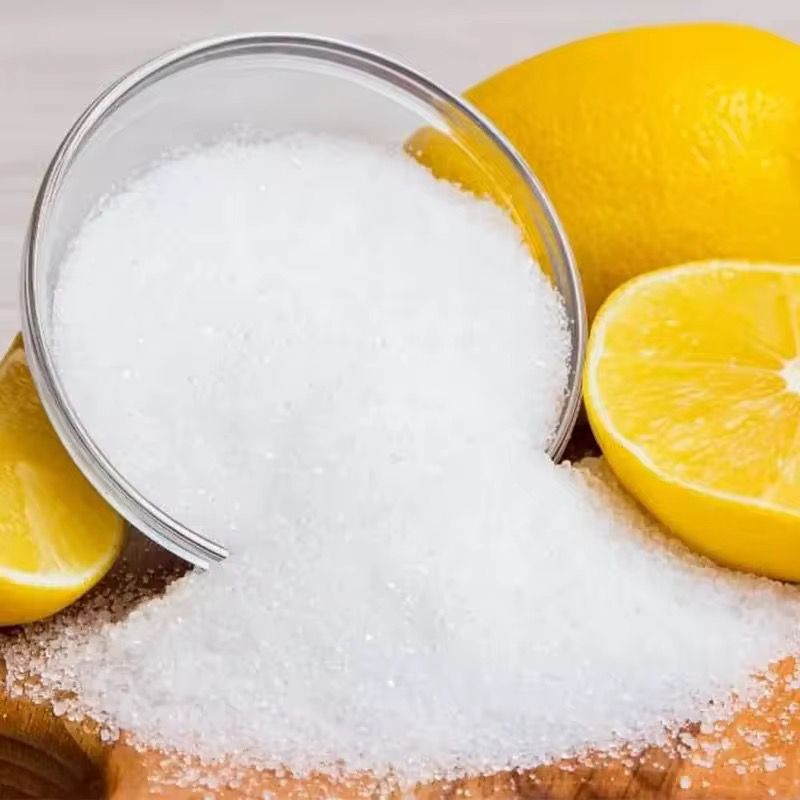
Citric acid is a naturally occurring organic acid found in citrus fruits such as lemons, limes, and oranges. Citric acid is a weak organic acid that is produced as a white crystalline powder. It is a natural food preservative that is also used to add an acidic, or sour taste to foods and soft drinks. In biochemistry, it is important as an intermediate in the Krebs (citric acid) cycle and therefore occurs in the metabolism of virtually all living things. Citric acid can also be used as an environmentally benign cleaning agent.
FUNCTIONS & BENEFITS:
In food & beverages
• Acts as an acidulant (gives sour taste)
• Preserves freshness by lowering pH
• Enhances flavor in drinks, sweets, sauces, and jams
• Prevents browning in fruits and vegetables
• Improves mineral absorption
In cosmetics & personal care
• pH adjuster (very common use)
• Helps maintain formula stability
• Mild exfoliating effect (AHA property at higher concentrations)
• Improves performance of preservatives
• Supports smoother skin texture when properly formulated
In household & industrial use
• Natural chelating agent (binds metal ions)
• Used in descaling, cleaning, and detergent formulations
INCI / Chemical Information
• INCI name: Citric Acid
• Chemical name: 2-Hydroxypropane-1,2,3-tricarboxylic acid
• CAS number: 77-92-9
• Molecular formula: C₆H₈O₇
• Molecular weight: 192.12 g/mol
Appearance & Properties
• Color: White to off-white
• Form: Fine crystalline powder or granules
• Odor: Odorless
• Taste: Strongly sour (food-grade)
Usage Rate
• Food: As required by formulation and regulations
• Cosmetics (pH adjustment): Typically 0.05–0.5%
• Exfoliating/AHA products: Can go higher, but requires expert formulation and proper pH control
—–Always dissolve in water and add gradually, checking pH.
pH Information
• Citric acid is acidic
• 1% solution in water has a pH of approximately 2.2–2.5
• Used to lower pH, not raise it
Solubility
• Water: Soluble
• Alcohol: Slightly soluble
• Oils: Not soluble
Compatibility
• Compatible with most cosmetic ingredients
• Commonly used with:
• Preservatives
• Vitamin C derivatives
• Surfactants
• Herbal extracts
Applications
TCC’s citric acid is a useful ingredient in beverages, jams, jellies, candies and frozen foods. It is also added in gelatin and fruit-based desserts as well as in canned vegetables and meat products. Citric acid preserves food and enhances flavor. It is one of the most useful ingredients in the food and beverage industries.
Citrate salts of various metals are used to deliver those minerals in a biologically available form in many dietary supplements. The buffering properties of citrates are used to control pH in household cleaners and pharmaceuticals.
Citric acid’s ability to chelate metals makes it useful in soaps and laundry detergents. By chelating the metals in hard water, it lets these cleaners produce foam and work more efficiently without the need for water softening.
Citric acid is recognized as being safe for use in food by all major national and international food regulatory agencies. It is naturally present in almost all forms of life, and excess citric acid is readily metabolized and eliminated from the body.
Packaging:
Our Powder is sealed in water- and air-tight ziplock pouches to ensure maximum freshness and protect against moisture contamination.
Recommended Storage: Our powders should be stored in cool temperatures away from direct sunlight and moisture in an airtight container. (current Lot will expire No
november 2029)
DISCLAIMER:
– This information is not intended to diagnose, treat, cure, or prevent any disease.
Kindly note that you are responsible for researching, testing, and understanding ingredients before buying. – We recommend working with a chemist or a formulator if you’re not advanced in formulating.









Reviews
There are no reviews yet.