
Description
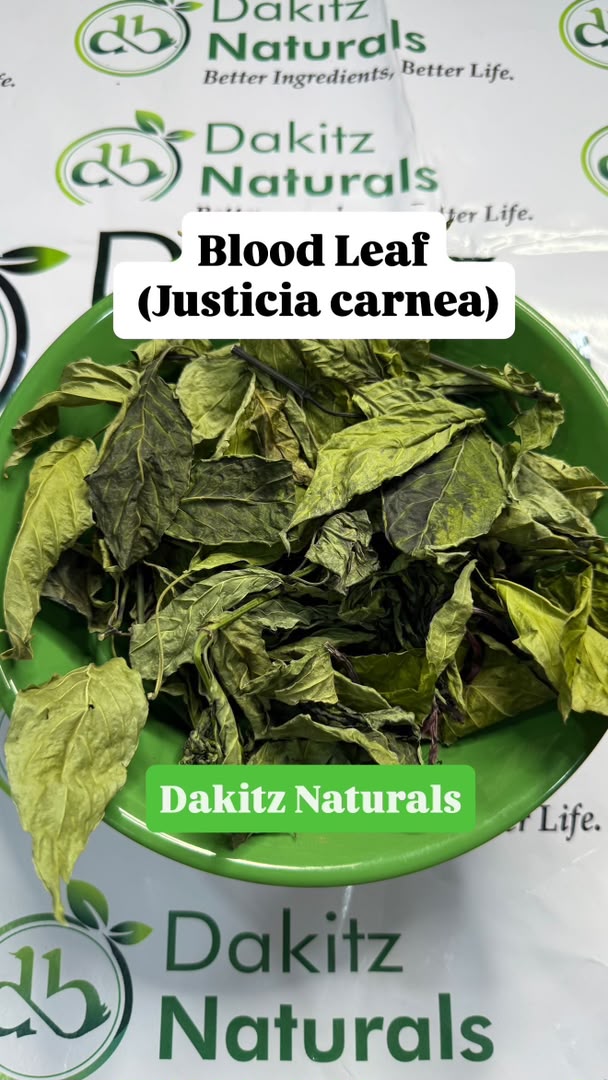
Blood Leaf (Justicia carnea)
Common name: Blood Leaf, Brazilian Plume, Blood of Jesus, Jacobinia, Flamingo Flower, Ogwu Obara, Ewe Eje, Ewe Ajeri.
Botanical name: Justicia carnea Lindl.
Plant part: Leaf
Family: Acanthaceae
Origin: South America, particularly Brazil. Widely cultivated and used in traditional herbal practices across tropical regions, including Nigeria.
Product Overview
Blood Leaf is obtained from Justicia carnea, a tropical flowering shrub belonging to the Acanthaceae family. The plant is widely cultivated in Nigeria and other tropical regions, where it is recognised for its traditional herbal applications.
The leaves are typically broad, elongated and oval-shaped, with pointed tips and smooth margins. They are generally deep green in colour, while the plant produces attractive clusters of pink, reddish or purple flowers.
Locally known as Ogwu Obara among the Igbo people and Ewe Eje among the Yoruba people, Blood Leaf has a long history of use in Nigerian traditional herbal practices, particularly in preparations traditionally associated with blood nourishment.
The leaves are valued for their naturally occurring phytochemicals, vitamins, minerals and other botanical constituents. They are commonly prepared as herbal infusions, decoctions and incorporated into traditional food and herbal preparations. Pharmanews +1
Nutritional Value:
Blood Leaf contains various naturally occurring nutrients and phytochemicals. Research has reported the presence of vitamins A, C, E and B-complex vitamins, alongside minerals such as iron, calcium, magnesium, zinc and copper.
It also contains dietary fibre, carbohydrates and plant-based protein. Its nutritional composition makes it an interesting subject of research as a botanical food ingredient.
Composition:
Contains naturally occurring flavonoids, phenolic compounds, tannins, saponins, alkaloids, terpenoids, steroids and glycosides.
Other reported constituents include vitamin C, vitamin A, vitamin E, B vitamins, iron, calcium, magnesium, zinc and copper. repository.futo.edu.ng +1
Benefits:
* Provides naturally occurring vitamins and minerals.
* Contains iron and other mineral constituents involved in normal nutritional functions.
* Traditionally consumed as a blood-nourishing herbal preparation.
* Contains flavonoids and phenolic compounds with antioxidant potential.
* Provides naturally occurring plant compounds studied for their anti-inflammatory properties.
* Contains dietary fibre and other nutritional constituents.
* Has been investigated for its potential hematinic properties, including effects on haemoglobin and red blood cell parameters.
* Traditionally incorporated into herbal preparations for general nutritional wellness.
Uses:
* Prepared as herbal tea or leaf infusion.
* Used in traditional herbal decoctions.
* Incorporated into traditional vegetable soups and food preparations.
* Processed into dried leaf powder.
* Used in traditional Nigerian botanical and herbal formulations.
* Studied for its potential applications in nutritional and herbal supplement development.
* Used as a botanical ingredient in phytochemical and nutritional research.
Precautions:
* Although traditionally consumed, the safety of concentrated extracts and prolonged medicinal use has not been fully established.
* Individuals with anaemia should not use Blood Leaf as a replacement for proper diagnosis, iron supplementation or prescribed treatment.
* Pregnant and breastfeeding individuals should seek professional medical advice before medicinal consumption.
* Individuals taking medication or managing existing health conditions should consult a healthcare professional before regular use.
* Ensure proper botanical identification, hygienic drying and storage.
* Use according to the intended application and appropriate preparation.
Important: Blood Leaf is traditionally recognised in Nigeria for its blood-nourishing applications. However, its reported hematinic properties should not be interpreted as proof that it treats anaemia or replaces conventional iron supplementation. Scientific research is still developing.
Scientific references:
* Biochemical Analysis of Justicia carnea Leaves Used as a Hematinic (2024).
* Phytochemistry, Ethnomedicinal and Pharmacological Uses of Justicia carnea.
* Therapeutic and Toxicological Assessment of Justicia carnea Leaf Extracts.
Packaging:
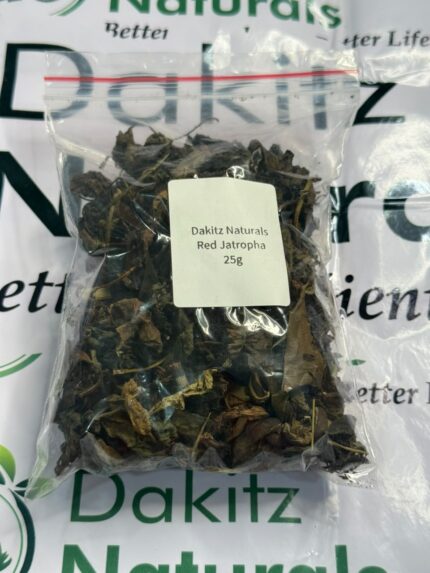
Our herbs are packaged in ziplock bags to avoid spillage.
Storage:
• Keep in a cool, dry place away from moisture, sunlight, and heat
• Store in an airtight container to prevent oxidation and loss of potency
Shelf Life:
• Up to 2 years when stored properly in sealed packaging
• Best potency when consumed within 12–18 months
Note:
No artificial colors, flavors, or preservatives. Product is a natural botanical ingredient; color may vary depending on harvest lot and year.
Disclaimer:
This product is a natural food supplement and not evaluated by the Food and Drug Administration (FDA). It is intended for educational purposes only and is not intended to diagnose, treat, cure, or prevent any disease.
Consult a healthcare professional before use if you have allergies or medical conditions
By purchasing, you acknowledge responsibility for safe and appropriate use.











Reviews
There are no reviews yet.