


Description
Kiwi Fruit Powder (Actinidia deliciosa)
Common name: Kiwi Fruit Powder, Kiwifruit Powder, Chinese Gooseberry Powder, Kiwi Powder
Botanical name: Actinidia deliciosa (A.Chev.) C.F.Liang & A.R.Ferguson
Plant part: Fruit
Origin: Native to China; commercially cultivated in New Zealand, China, Italy, and other regions
Category: Fruit and Vegetable Powder
Product Overview
Kiwi Fruit Powder (Actinidia deliciosa) is a fruit-derived ingredient produced from kiwifruit, a member of the Actinidiaceae family. Originally native to China, kiwifruit is now cultivated in many parts of the world and is valued for its distinctive sweet-tart flavour, vibrant green flesh and nutritional composition.
The powder is typically produced by drying the fruit and processing it into a fine powder. Depending on the kiwifruit variety and manufacturing method, the finished product may range from light green to yellowish-green, with a characteristic fruity aroma and tangy flavour. Some products may also contain the fruit’s small edible seeds.
Kiwi fruit powder offers a convenient way to incorporate kiwifruit flavour into food and beverage formulations. Its properties make it suitable for consideration in smoothies, powdered drinks, confectionery, bakery products and other fruit-based preparations.
The powder’s colour, flavour, texture and solubility depend on the fruit variety, ripeness, drying technique and any additional ingredients used during processing. For example, some commercial powders contain carriers such as maltodextrin to improve handling and powder flow.
Nutritional Value
Kiwi fruit powder contains nutrients and naturally occurring plant compounds derived from kiwifruit. However, its nutritional composition differs from that of fresh fruit because drying removes much of the water and may affect heat-sensitive nutrients.
Depending on the variety and processing method, kiwi fruit powder may contain:
- Vitamin C: Naturally abundant in fresh kiwifruit, although its retention varies with processing and storage.
- Dietary fibre: Present in the fruit, with the amount depending on the processing method and whether the powder contains the whole fruit.
- Carbohydrates: Including naturally occurring sugars that contribute to the fruit’s sweet taste.
- Potassium: A mineral naturally present in kiwifruit.
- Folate: A B vitamin found in fresh kiwifruit, although levels in the finished powder depend on processing.
- Polyphenols: Plant compounds that contribute to the fruit’s phytochemical profile.
- Carotenoids: Naturally occurring pigments present in varying amounts depending on the fruit variety.
The actual nutritional composition depends on the raw material, drying conditions, and product formulation. Consult the supplier’s specifications or laboratory analysis for accurate nutritional information.
Composition
Kiwi fruit powder contains several classes of naturally occurring constituents, including:
- Vitamin C: A water-soluble vitamin naturally present in kiwifruit; its concentration may decrease during processing and storage.
- Dietary fibre: Plant material that contributes to the fruit’s composition and texture.
- Natural sugars: Including glucose, fructose and sucrose, which contribute to the fruit’s sweetness.
- Organic acids: Including citric and quinic acids, which contribute to kiwifruit’s characteristic tangy flavour.
- Polyphenols: Naturally occurring plant compounds investigated in nutritional and food science research.
- Carotenoids: Plant pigments present in varying amounts depending on the variety.
- Minerals: Including potassium and other minerals naturally present in the fruit.
The precise composition varies according to the kiwifruit variety, maturity at harvest, drying method and storage conditions. Added carriers or other ingredients may also influence the composition of the finished product.
Benefits
Kiwi fruit powder is valued as a versatile fruit-derived ingredient for food and beverage applications.
- Fruit-based formulations: Provides characteristic kiwifruit flavour in a convenient powdered format.
- Source of plant compounds: May contain naturally occurring vitamin C, polyphenols and other phytochemicals, depending on processing.
- Convenient ingredient: Offers an alternative to fresh kiwifruit in applications where a dry ingredient is more practical.
- Beverage development: Can contribute fruit flavour to smoothies, powdered drink mixes and other beverage formulations.
- Food product development: Suitable for consideration in confectionery, bakery products, dessert mixes and fruit blends.
- Formulation versatility: Can be incorporated into a range of products depending on its particle size, moisture content and solubility.
The nutritional contribution varies by product. The presence of vitamins and plant compounds does not establish that kiwi fruit powder can prevent or treat a particular health condition.
Uses
Kiwi fruit powder is used as an ingredient in various food manufacturing and formulation applications.
Common applications include:
- Smoothies and fruit-based beverages.
- Powdered drink mixes.
- Fruit blends and instant beverage formulations.
- Yoghurt and other suitable dairy-based products.
- Ice cream and frozen dessert formulations.
- Bakery products, cakes and confectionery.
- Fruit-flavoured snack products.
- Nutritional and functional food development.
- Food flavouring and formulation research.
The suitability of kiwi fruit powder for a particular application depends on its flavour, colour, solubility, moisture content and ingredient specifications.
Precautions
Kiwi fruit powder is a fruit-derived ingredient, but its suitability depends on its composition and intended use.
- Allergies: Individuals with a known kiwi allergy should avoid products containing kiwifruit. Kiwi may also trigger reactions in some people with latex or certain pollen allergies.
- Ingredient verification: Check the label for added sugars, carriers, preservatives or other additives.
- Product quality: Confirm the product’s food-grade status and obtain relevant quality documentation before use in food manufacturing.
- Nutritional considerations: People monitoring their carbohydrate intake should check the product’s nutritional information.
- Storage: Keep the powder in a cool, dry place away from direct sunlight and moisture.
- After opening: Store in a tightly sealed container to help preserve quality and reduce moisture exposure.
- Keep in a cool, dry place away from moisture, sunlight, and heat
- Store in an airtight container to prevent oxidation and loss of potency
Packaging
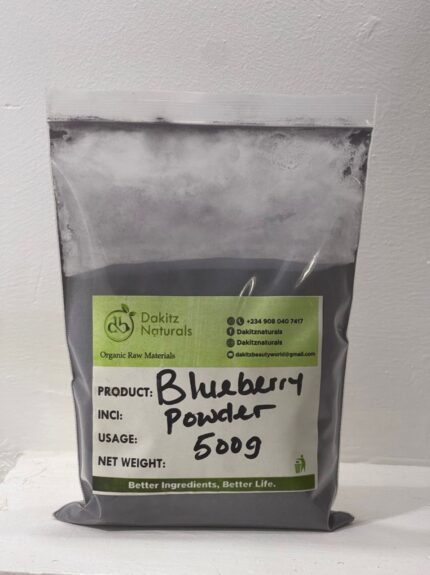
Our powders are packaged in Ziploc bags to avoid spillage.
Shelf Life:
• Up to 2 years when stored properly in sealed packaging
• Best potency when consumed within 12–24 months
Note:
No artificial colors, flavors, or preservatives. Product is a natural botanical ingredient; color may vary depending on harvest lot and year.
Disclaimer:
This product is a natural food supplement and not evaluated by the Food and Drug Administration (FDA). It is intended for educational purposes only and is not intended to diagnose, treat, cure, or prevent any disease.
Consult a healthcare professional before use if you have allergies or medical conditions
By purchasing, you acknowledge responsibility for safe and appropriate use.









Reviews
There are no reviews yet.